
 Home
Home PC
PC PlayStation
 Xbox
Xbox Nintendo Switch
 Mobile
 Esports
 Anime and Manga

The past decade has witnessed a transformative shift in entertainment. Films and music, while perennially popular, have seen a contender rise in their midst: video games. Gaming, once a niche hobby, has metamorphosed into a dominant force in the entertainment industry over the last ten years. With its interactive nature, the industry has uniquely positioned itself at the crossroads of technology and storytelling.
Statistical Surge The numbers don’t lie. According to a 2020 report by Newzoo, a global games market intelligence company, the gaming industry was projected to surpass $159.3 billion in revenues, which is more than the music and movie industries combined. The global player base expanded dramatically too, reaching over 2.7 billion players worldwide.
Another astonishing statistic is the growth rate. Between 2015 and 2020, the global gaming market saw an average annual growth rate of 9.3%, fueled by technological advancements, mobile penetration, and high-speed internet access.
Major Market Players The gaming industry’s rise can be attributed to several key players:
- Sony’s PlayStation: The release of the PS4 in 2013 and the PS5 in 2020 has solidified Sony’s position in the market. The PlayStation Network (PSN), with its vast offering of digital games, has been instrumental in shifting the industry towards digital sales.
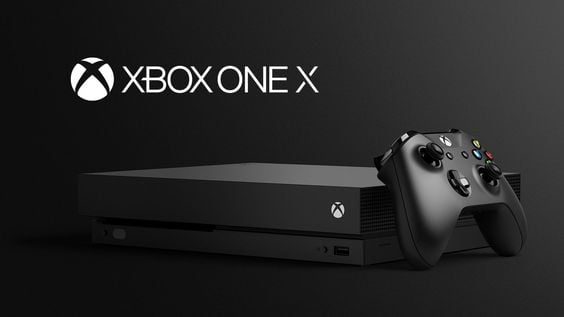
- Microsoft’s Xbox: The Xbox One, launched in 2013, and its successors have been pivotal. Xbox Game Pass, a subscription service offering a plethora of games for a monthly fee, has redefined how games are consumed.
- Nintendo: While often marching to the beat of their own drum, Nintendo’s innovative hardware like the Switch, which seamlessly combines home and portable gaming, has garnered a significant audience.
- PC Gaming and Steam: Valve’s Steam platform remains a behemoth in the PC gaming market. Its annual sales and vast game library make it a preferred choice for many gamers.
- Mobile Gaming: Companies like Supercell, Tencent, and Niantic have dominated the charts with games like ‘Clash of Clans’, ‘PUBG Mobile’, and ‘Pokémon Go’. Mobile gaming alone accounted for 50% of the global games market in 2020.
- Epic Games: Apart from the massive success of ‘Fortnite’, Epic Games has challenged industry norms with its store, offering developers a larger revenue cut than competitors.

Diverse Revenue Streams It’s not just sales driving this mammoth industry. In-game purchases, subscription models, and advertising have all played their role. The free-to-play model, where players can download and play games for free but pay for virtual goods, has proven lucrative. Titles like ‘Fortnite’ and ‘Genshin Impact’ have generated billions in revenue through this model.
Esports Explosion The rise of esports has also been a game-changer. Competitive gaming, once a niche within a niche, has exploded into the mainstream. Events like the ‘League of Legends World Championship’ and ‘The International Dota 2 Championship’ have audiences rivaling traditional sports. In 2019, the esports market was valued at approximately $950 million, with projections reaching $1.79 billion by 2022.
The Cultural Shift Video games have permeated popular culture. Collaborations between gaming franchises and celebrities, music artists, and even fashion brands have become commonplace. Games like ‘Minecraft’ and ‘Among Us’ aren’t just games; they’re cultural phenomena.
The Road Ahead The integration of augmented reality (AR) and virtual reality (VR) promises even more immersive experiences in the future. Companies like Oculus (owned by Facebook) are pioneering this space, pointing towards a future where the lines between reality and gaming are even more blurred.
Conclusion The ascendancy of the gaming industry over the last decade is undeniable. Its blend of interactivity, storytelling, and social interaction makes it a potent form of entertainment, resonating with billions worldwide. As technology continues to evolve and the industry innovates, one thing is certain: video games are here to stay, and their influence will only grow in the coming years.