 Home
Home PC
PC PlayStation
 Xbox
Xbox Nintendo Switch
 Mobile
 Esports
 Anime and Manga

“Road to Ninja: Naruto the Movie” is a Naruto film that delves into the theme of alternate dimensions, offering a unique twist to the familiar characters and storyline. The movie explores the concept of what might have been had certain events in Naruto’s life turned out differently. This article will summarize the ending of “Road to Ninja: Naruto the Movie” and its significance.
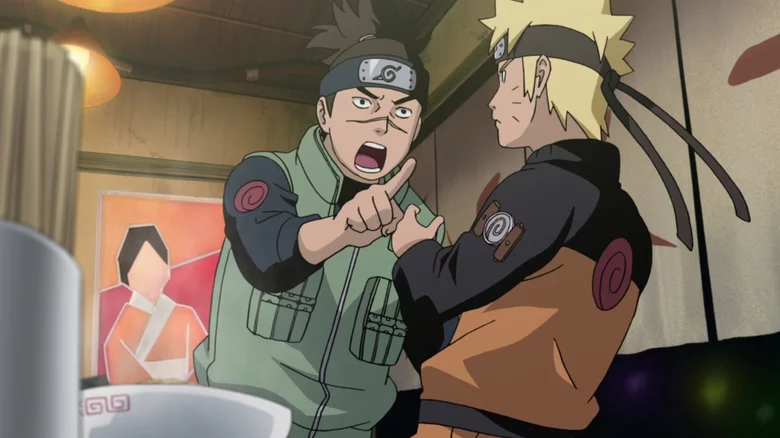
The movie begins with Naruto Uzumaki, the series’ protagonist, feeling lonely and unappreciated by the residents of Konoha. He yearns for a family and resents being an orphan. However, when he is transported to an alternate dimension through a mysterious jutsu, he encounters a world where things have taken a drastically different turn.
In this alternate dimension, Naruto discovers that his parents, Minato Namikaze and Kushina Uzumaki, are alive, and he has a loving family. This revelation deeply affects Naruto, as he experiences the family life he had always longed for. It also provides insight into how his life might have been if his parents had not sacrificed themselves to protect the village.

One of the central conflicts in the movie revolves around the appearance of alternate versions of Naruto’s friends and allies. These doppelgangers, known as “Menma” for most characters, have distinct personalities and abilities that contrast with their counterparts in Naruto’s original world. For example, Menma Sakura is more assertive, Menma Hinata is confident and outgoing, and Menma Sasuke remains loyal to Naruto.
The main antagonist of the movie is Obito Uchiha, who goes by the name “Tobi” in this alternate world. Tobi seeks to collect the “Tailed Beasts” to gain immense power. In this dimension, Tobi possesses the Ten Tails, making him an even greater threat than in Naruto’s original world. Naruto and his friends must work together, along with their alternate counterparts, to stop Tobi and restore their world to its proper state.
As the movie progresses, Naruto’s interactions with his alternate family and friends shed light on his emotional growth and character development. He learns valuable lessons about the importance of family, friendship, and self-acceptance. These experiences serve as a stark contrast to his original world, where he had to overcome the challenges of being an orphan and an outcast.
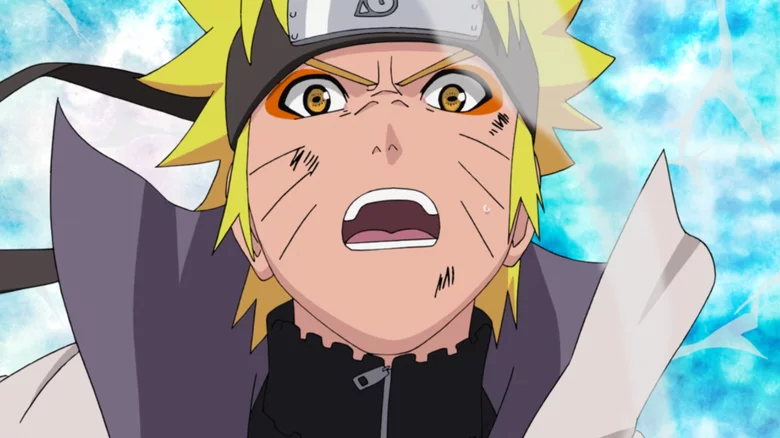
The climax of the movie involves a high-stakes battle between Naruto and Tobi, who is now a formidable adversary with the power of the Ten Tails. Naruto’s determination and the support of his friends, both original and alternate, enable him to tap into a new level of strength. This climactic battle showcases Naruto’s growth as a ninja and his ability to inspire those around him.
In the end, Naruto and his allies successfully defeat Tobi and restore their world to its proper state. However, the movie’s emotional depth lies in its exploration of Naruto’s inner struggles and desires. After returning to his original world, Naruto reflects on the experience of having a loving family, only to lose it when he returns to his reality as an orphan. This bittersweet ending emphasizes Naruto’s resilience and the strength he gains from his friends and the bonds he forms.
“Road to Ninja: Naruto the Movie” offers fans a thought-provoking exploration of alternate dimensions and the impact of one’s past on their present. It provides a unique perspective on Naruto’s character and his longing for family and belonging. The movie’s ending serves as a reminder of the emotional complexity that underlies Naruto’s journey and the enduring themes of friendship and perseverance that define the series.