


The Legend of Zelda: Tears of the Kingdom, the latest addition to the beloved franchise, has finally made its debut on the aging Nintendo Switch. While the game has been highly anticipated by fans, it also highlights the hardware limitations of the six-year-old console. Despite its vast world and new features, Tears of the Kingdom manages to run relatively well on the aging platform, with only a few bugs and occasional FPS drops.
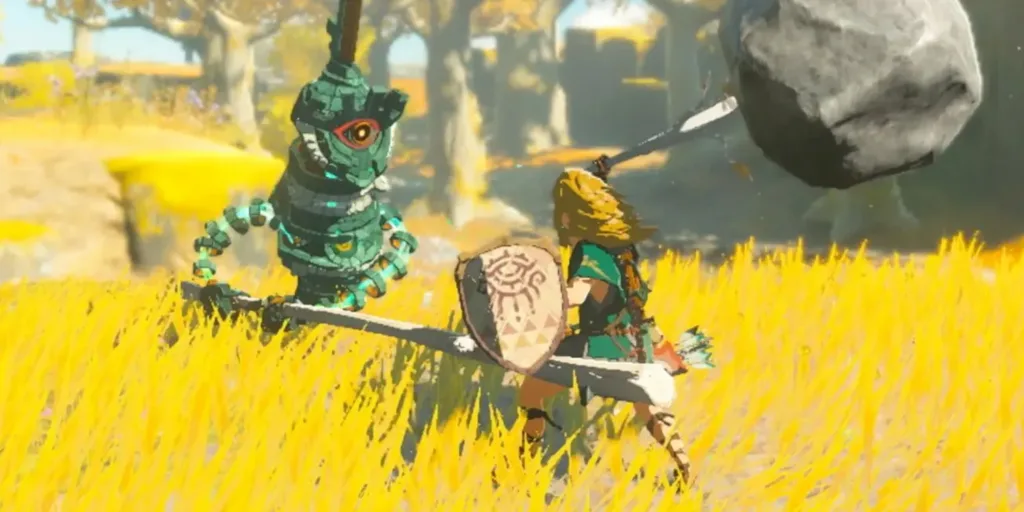
However, this hardware constraint may have held the game back in some aspects. While Tears of the Kingdom introduces new gameplay mechanics and expands on Breath of the Wild’s world, it visually resembles its predecessor, with only minor graphical improvements. The game’s map, too, feels like an expanded version of Breath of the Wild’s, with a new sky and underground map but the same overworld. The core gameplay elements, from menus to combat, remain largely unchanged, making Tears of the Kingdom feel more like an extension of its predecessor rather than a truly innovative sequel.

This safe approach is likely due to the limitations of the aging Nintendo Switch, which has shown its age over the years. While both Breath of the Wild and Tears of the Kingdom are exceptional games, the hardware may have limited the extent to which Nintendo could innovate and take risks with the formula. Fans can only hope that future entries in the franchise will have the opportunity to break free from these constraints and offer a truly fresh and innovative experience.


