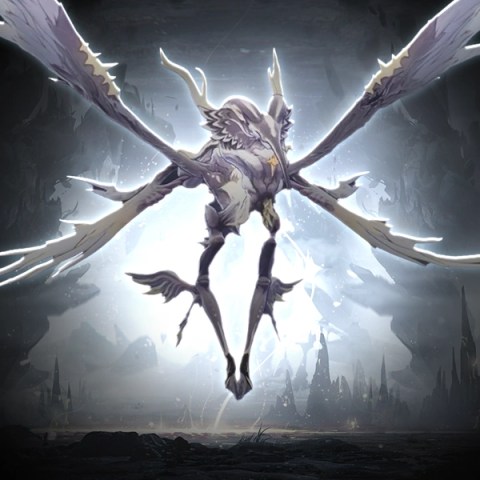
The Legend of Zelda: Ocarina of Time, released in 1998, remains a timeless classic and a cornerstone of the video game industry. Its groundbreaking 3D action-adventure gameplay and open-world design set a new standard for the entire medium. Ocarina of Time’s influence can be felt in subsequent Zelda titles, including the recent Breath of the Wild and Tears of the Kingdom.
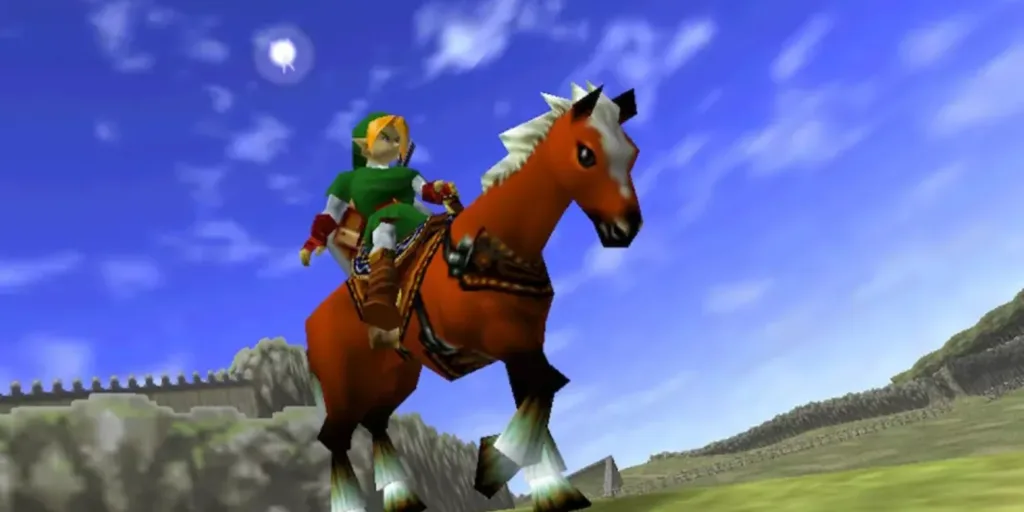
Ocarina of Time introduced the concept of an expansive game world with towns, varied species, and unique NPCs, each offering side quests and secrets, enriching the overall experience. Its epic storyline, memorable characters, innovative gameplay, and Koji Kondo’s iconic score make it the blueprint for modern adventure games.
While later Zelda games like Majora’s Mask, Wind Waker, and Twilight Princess introduced their innovations, they still followed the Ocarina of Time formula, featuring dungeons, unique items, and temple exploration. Skyward Sword marked the beginning of significant changes, altering dungeon progression and item management, but it was Breath of the Wild that brought a true revolution to the series.

Breath of the Wild embraced the open-world genre, offering unparalleled freedom and customization. Despite its innovation, Ocarina of Time’s enduring legacy remains unchallenged, with each new Zelda title drawing inspiration from its groundbreaking design. It seems that while future Zelda games may carve their legacies, they will forever stand in the shadow of Ocarina of Time, a timeless masterpiece.
Disclaimer: This image/content includes references to the original creator for attribution purposes. All rights and credits for the creation of this content belong to the respective copyright holder. Nintendo