As The Legend of Zelda: Tears of the Kingdom takes center stage, it’s not a sequel, but the legacy of Spirit Tracks could guide the way for what comes next.
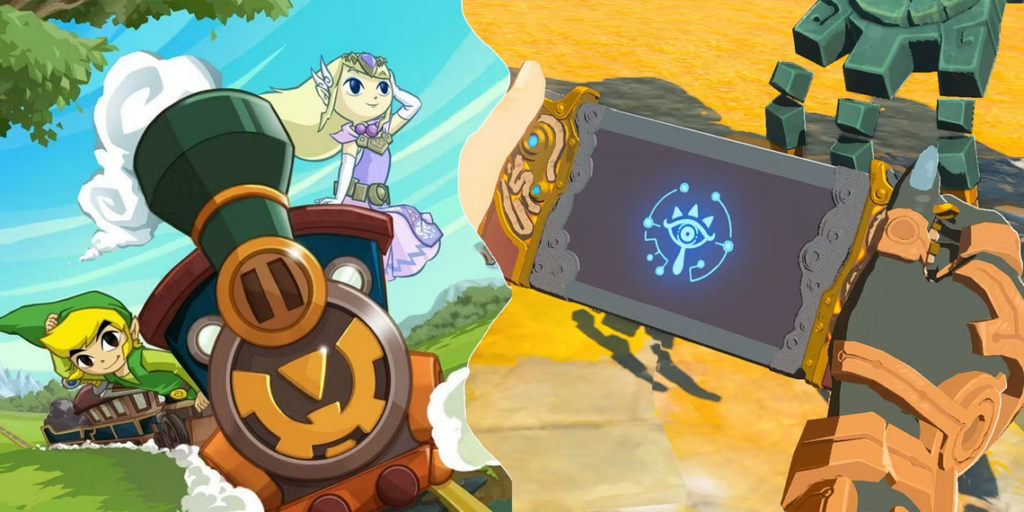
The highly anticipated release of The Legend of Zelda: Tears of the Kingdom in May 2023 has left fans eager for more adventures in the vast and enchanting world of Hyrule. While Tears of the Kingdom may conclude Link and Zelda’s current journey, the cyclical nature of their adventures hints at future possibilities. In the post-Breath of the Wild timeline, there exists room for a continuing narrative that echoes the evolution seen in Spirit Tracks following Wind Waker and Phantom Hourglass.
Spirit Tracks, set a century after The Legend of Zelda: The Wind Waker, introduced a new Hyrule built by Link and Zelda of a bygone era. In this unique timeline, a new Link assumed the role of a train conductor, emphasizing the significance of technology and transportation. With a narrative foundation reminiscent of Spirit Tracks, a spiritual successor to Tears of the Kingdom emerges as an exciting prospect.
Innovations in a Successor to Tears of the Kingdom
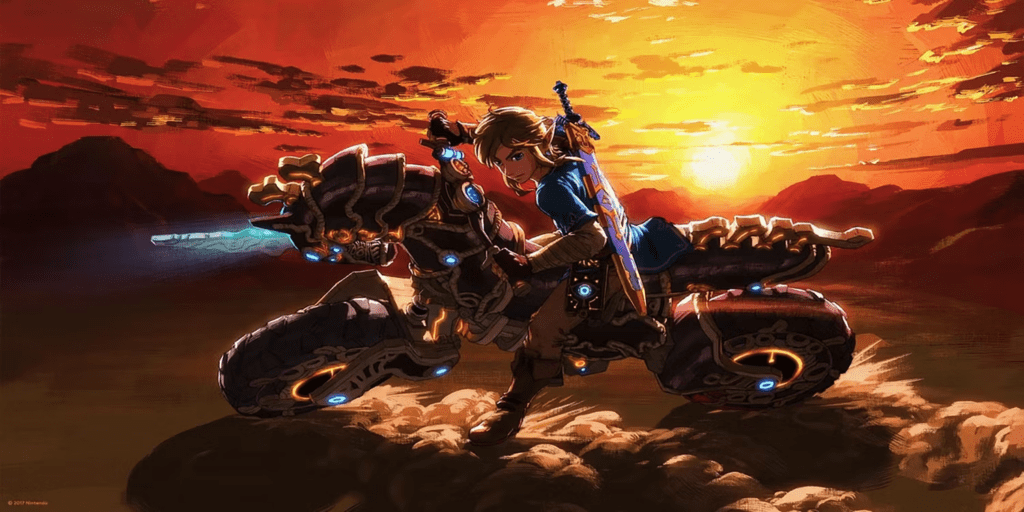
Set far in the future, a successor to Tears of the Kingdom offers ample opportunities for innovation. Drawing inspiration from Spirit Tracks, players can anticipate advancements in vehicles, technology, and transportation systems. While Tears of the Kingdom explored the enigmatic realm of Zonai technology rather than Sheikah, a sequel could seamlessly incorporate both, as characters like Purah dedicate themselves to technological development. In Tears of the Kingdom, Link wielded the Purah Pad instead of the Sheikah Slate, and in a spiritual successor, this foundation could lead to the creation of more sophisticated devices influenced by Purah’s expertise.
Building on Tears of the Kingdom’s Character Legacy
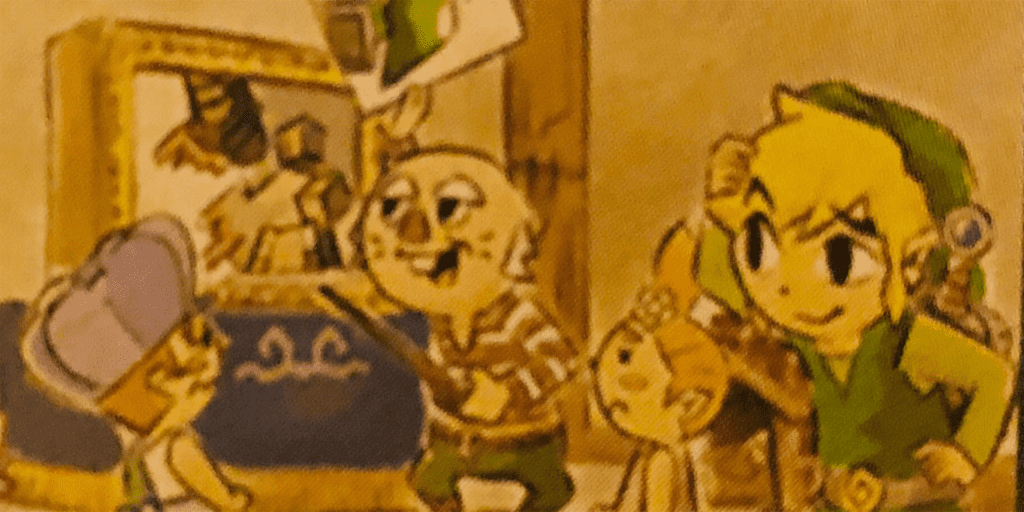
The rich tapestry of The Legend of Zelda series lies in its diverse and memorable characters. In Spirit Tracks, the aging Niko played a pivotal role by offering valuable exposition that bridged the gap between the events of Phantom Hourglass and Spirit Tracks. A spiritual successor to Tears of the Kingdom could adopt a similar approach, positioning the ageless Purah as the “Niko” figure, providing vital context and enriching the narrative. Furthermore, this narrative element could seamlessly integrate with gameplay, introducing enhancements and upgrades that enhance the player’s journey. Given the nature of a spiritual successor, the canvas is open for the introduction of new characters inspired by the beloved NPCs of Hyrule.
The Return to a Renewed Hyrule

Spirit Tracks unveiled the revelation that the Link and Zelda of the past laid the foundation for the “New Hyrule” featured in the game. A spiritual successor to Tears of the Kingdom could employ a comparable concept, breathing new life into the original setting after a significant period of reconstruction. Players could anticipate the full restoration of Hyrule Castle and its surrounding villages, revitalized by cutting-edge technology, creating a refreshing experience while staying true to the iconic landscape.
Crafting a Modern Approach in a Spiritual Successor
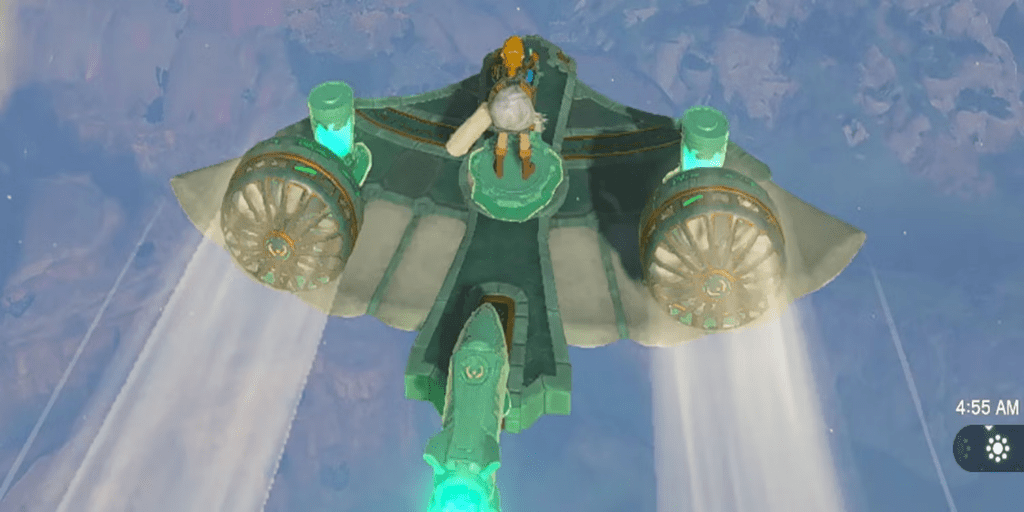
The Nintendo DS titles, Phantom Hourglass and Spirit Tracks, prominently featured stylus-based gameplay that challenged players with solving puzzles and progressing through the game. The Nintendo Switch Zelda titles have their unique gameplay systems to offer a spiritual sequel. Tears of the Kingdom introduced a crafting system of considerable importance. A spiritual successor may refine and reimagine crafting, infusing it with modern sensibilities to introduce new components or entirely fresh systems based on updated technology.