


October marked a significant month in gaming, although overshadowed by unfortunate developer layoffs, impacting the year’s gaming highlights. Marvel’s Spider-Man 2 and Alan Wake 2 emerged as major releases, demonstrating a crucial trend in gaming evolution.

Both games, although seemingly distinct, represent a new era of next-gen gaming experiences. Their exceptional technical features and stunning visuals exemplify this trend. Spider-Man 2 showcases remarkable graphics for an expansive open-world adventure, boasting realistic lighting, detailed textures, and a bustling environment. Conversely, Alan Wake 2 utilizes Remedy’s Northlight engine, offering stunning realism in environmental design and naturalistic lighting effects, setting new standards in graphical prowess. Notably, both maintain a consistent 60 FPS on consoles, enhancing their immersive quality.

A notable commonality between Alan Wake 2 and Spider-Man 2 is the absence of intrusive loading screens. Seamless transitions between gameplay and cutscenes in Spider-Man 2 create a fluid experience, matched by Alan Wake 2, which employs minimal loading screens, mainly upon character switching or death.
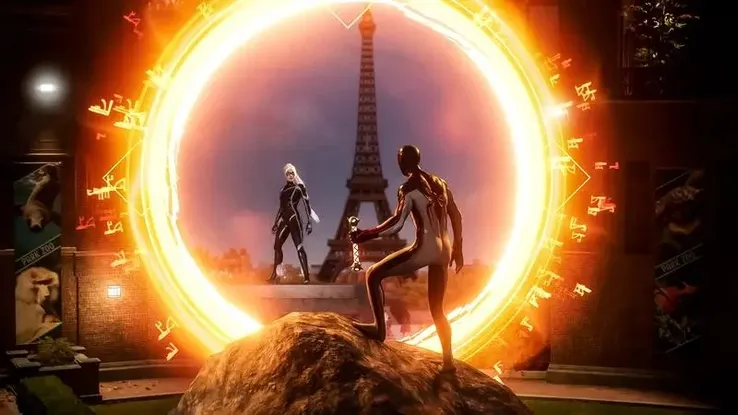
Remarkably, both games seamlessly transform environments without hindering gameplay, exemplified in Spider-Man 2’s portal sequences and Alan Wake 2’s instantaneous environmental changes. These features symbolize the cutting-edge advancements in modern gaming experiences.


