Dragon Ball Super has sparked debates with divisive creative decisions, notably Mai’s age shift from an adult to a child. The Pilaf Gang’s rejuvenation, stemming from a wish during the Android Saga, introduced a comedic element. In Super, this choice serves dual purposes.
Primarily, it aligns with the series’ return to a lighter, more humorous tone, reminiscent of Dragon Ball’s original feel. Toriyama and Toyotaro aim to revive the franchise’s roots after the dramatic Z era. The Pilaf Gang, initially antagonists, adds a nostalgic touch while blending humor with its prominence in Super.
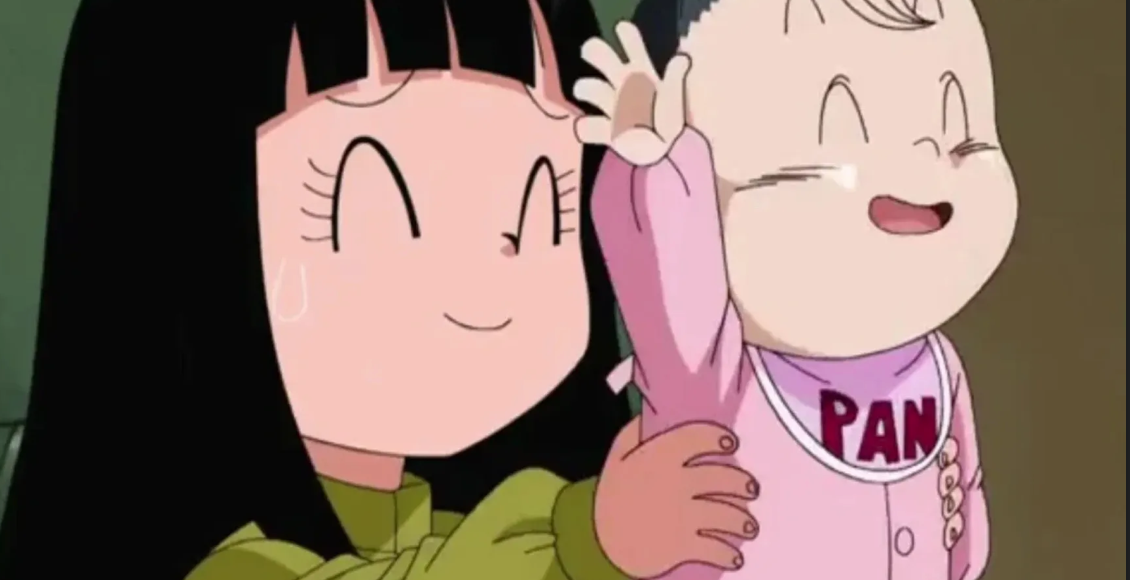
Notably, Mai’s perpetual child form addresses another aspect – her role as Trunks’ love interest. The series explores their relationship, emphasizing shared age and feelings. This dynamic receives further development in the Super Hero arc, underlining the significance of the Pilaf Gang in the evolving narrative.
Despite the fanbase’s divided opinions, Super’s choice to revisit the franchise’s lighthearted essence showcases a deliberate shift. For those who grew up with the dramatic Z phase, the return to a more humorous storytelling approach has been a defining characteristic of Dragon Ball Super. Mai’s transformation, rooted in the series’ history, adds both humor and a compelling narrative angle to Dragon Ball’s ongoing saga.