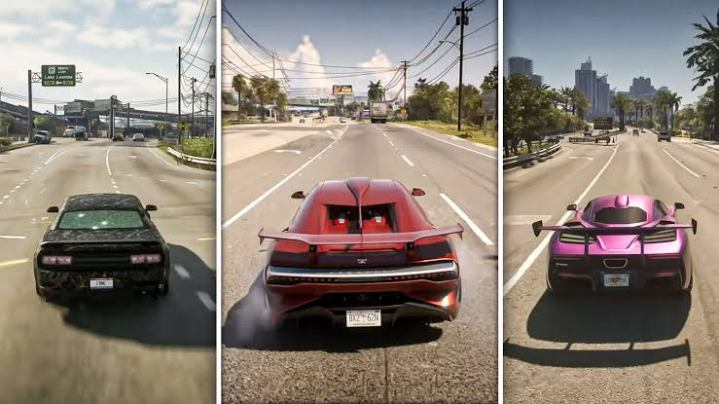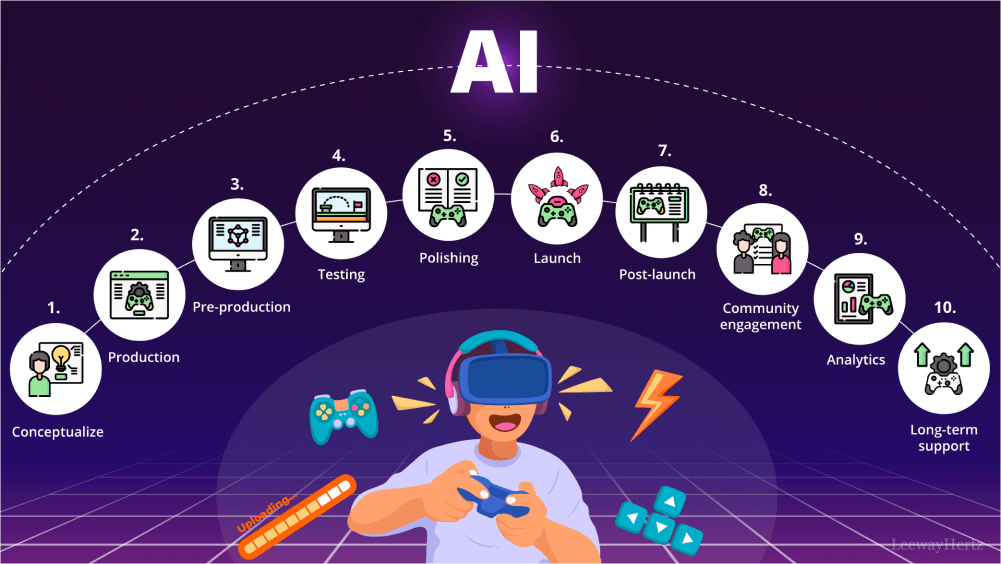

As we explore the world of AI in video games, it’s clear that this technology is revolutionizing the industry in 2026. With the ability to generate art, music, and even code, AI is changing the way games are developed and played.
Introduction to AI in Video Games
In 2026, at least 7000 titles will have AI content disclosure, and one-third of all games released on Steam will feature AI content. This shift towards AI-powered games is not only changing the way developers create games but also enhancing the overall gaming experience.
How AI is Changing Game Development
With the help of AI, game development has become more efficient and cost-effective. AI coding tools, for example, can automate repetitive tasks, allowing developers to focus on more creative aspects of game design. Additionally, AI-generated art and music can add a new level of depth and realism to games.
- AI-generated art can create detailed and realistic environments
- AI-generated music can create immersive and dynamic soundtracks
- AI-powered coding tools can automate repetitive tasks and reduce development time
Benefits of AI in Game Development
The use of AI in video games has numerous benefits, including increased efficiency, reduced costs, and enhanced creativity. By leveraging AI, developers can create more complex and engaging games, which can lead to a better gaming experience for players.
- Increased efficiency: AI can automate repetitive tasks, freeing up developers to focus on more creative aspects of game design
- Reduced costs: AI can reduce the need for manual labor, resulting in cost savings for developers
- Enhanced creativity: AI can generate new and innovative ideas, allowing developers to create more complex and engaging games
Impact of AI on the Gaming Industry
The impact of AI in video games is being felt across the industry, from game development to player experience. With the ability to generate realistic environments and immersive soundtracks, AI is changing the way games are played and experienced.
As NVIDIA VP Bryan Catanzaro notes, the cost of compute is a major factor in the adoption of AI in the gaming industry. However, the benefits of AI, including increased efficiency and enhanced creativity, make it an attractive option for developers.
Real-World Examples of AI in Games
There are many examples of AI in video games in 2026, from games that use AI-generated art and music to those that utilize AI-powered coding tools. One developer, for example, used AI to create a game that is better than their 2014 title in every way.
- AI-generated art and music can create immersive and engaging games
- AI-powered coding tools can automate repetitive tasks and reduce development time
- AI can generate new and innovative ideas, allowing developers to create more complex and engaging games
Frequently Asked Questions
Here are some frequently asked questions about AI in video games in 2026:
Q: What is AI content disclosure?
A: AI content disclosure refers to the practice of disclosing the use of AI-generated content in games.
Q: How is AI changing the gaming industry?
A: AI is changing the gaming industry by increasing efficiency, reducing costs, and enhancing creativity. It is also changing the way games are played and experienced.
Q: What are some examples of AI in games?
A: There are many examples of AI in games, including AI-generated art and music, AI-powered coding tools, and AI-generated ideas and concepts.
Final Thoughts
In conclusion, AI in video games is revolutionizing the industry in 2026. With its ability to generate art, music, and code, AI is changing the way games are developed and played. As the industry continues to evolve, it will be exciting to see the new and innovative ways that AI is used to create immersive and engaging games.