
What the Leak Reveals
Xbox Elite Series enthusiasts woke up to a flood of data from the Xbox Design Lab, and the first sentence of the leak reads like a promise: a drift‑free analog stick powered by magnetic sensors. The documents expose a suite of upgrades that could redefine the premium controller market.
Two sensor technologies dominate the conversation: Hall‑effect modules and a newer TMR (Tunnel Magnetoresistance) option. Both promise to eradicate the dreaded stick drift that has plagued gamers for years. Hall‑effect sticks come in three tension profiles—standard, loose, and tight—giving players granular control over feel. The TMR variant, meanwhile, offers even higher precision by detecting minute magnetic field changes, a feature previously limited to niche industrial controllers.
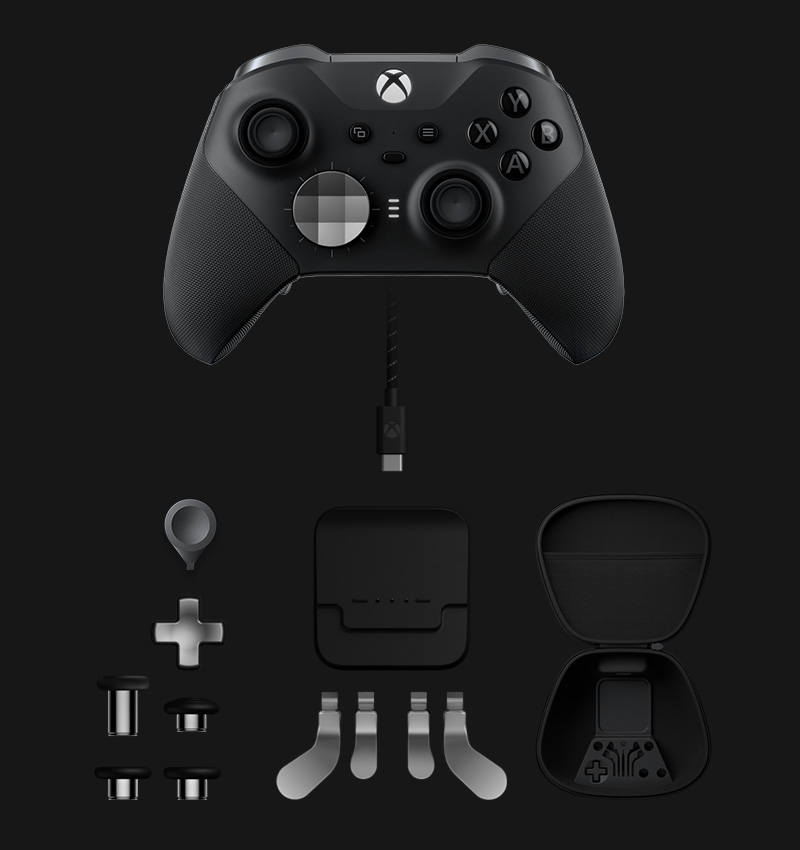
Beyond the sticks, the leak highlights an advanced haptic engine that mirrors the DualSense’s adaptive triggers and nuanced vibration. Coupled with redesigned paddles, interchangeable thumbsticks, and a revamped grip, the controller aims to be the most customizable Xbox peripheral ever.
Connectivity also gets a boost. The design lab notes indicate a new low‑latency wireless protocol and an upgraded USB‑C port that supports faster charging and data transfer. All of these changes sit behind Microsoft’s familiar modular chassis, meaning owners can swap components without tools.
How It Could Change Gameplay
For competitive players, the elimination of stick drift could be a game‑changer. Imagine a high‑stakes shooter where every micro‑movement counts; a drift‑free stick guarantees that the aim you see on screen matches the input you give.
Advanced haptics promise richer feedback. In a racing title, the new adaptive triggers could simulate gear‑shifts with varying resistance, while the haptic motor delivers road‑surface vibrations that differentiate asphalt from gravel. This level of immersion pushes the controller from a simple input device to a tactile storytelling tool.
Customization options also broaden accessibility. Players with limited hand mobility can select a loose‑tension Hall‑effect stick for easier movement, or opt for the tighter profile for rapid, precise actions. The modular paddles and thumbsticks mean that a left‑handed gamer can configure the layout to suit their comfort without buying a separate controller.
From a developer’s perspective, the new hardware opens doors for innovative game design. Titles could query the controller’s sensor data to adjust difficulty on the fly, or use the haptic engine to convey narrative cues—like a subtle rumble warning of an approaching enemy.
Finally, the upgraded wireless stack reduces input lag, a critical factor for esports. With a more reliable connection, tournament organizers can trust that the controller will perform consistently across all consoles.
FAQ
What sensor technology will actually be used in the Xbox Elite Series 3?
The leaked specs list both Hall‑effect and TMR (Tunnel Magnetoresistance) modules. Hall‑effect sticks will be offered in three tension settings—standard, loose, and tight—while the TMR option promises the highest precision by detecting subtle magnetic field shifts.
Will the new haptics be comparable to the PS5 DualSense?
According to the Design Lab documents, the controller will feature an advanced haptic engine that mirrors the DualSense’s adaptive triggers and nuanced vibration patterns. While exact fidelity remains unconfirmed, the leak suggests a comparable level of tactile feedback.
How will the modular design affect the price?
Microsoft has not released pricing, but the modular approach—interchangeable sticks, paddles, and grips—implies a base price with optional add‑ons, similar to previous Elite releases. The added sensor tech and wireless upgrades may push the entry price higher than the Series 2.
Final Thoughts
The Xbox Elite Series leak paints a picture of a controller that tackles the long‑standing pain points of drift, limited feedback, and one‑size‑fits‑all ergonomics. By integrating Hall‑effect and TMR sticks, advanced haptics, and a low‑latency wireless stack, Microsoft could deliver a tool that feels less like a peripheral and more like an extension of the player’s own hands. If the rumors hold true, the Elite Series 3 will not only raise the bar for premium controllers but also reshape how developers think about tactile interaction in games. For competitive gamers, accessibility advocates, and anyone who treats their controller as a craft, the upcoming Elite could be the most compelling reason yet to stay on the Xbox platform.