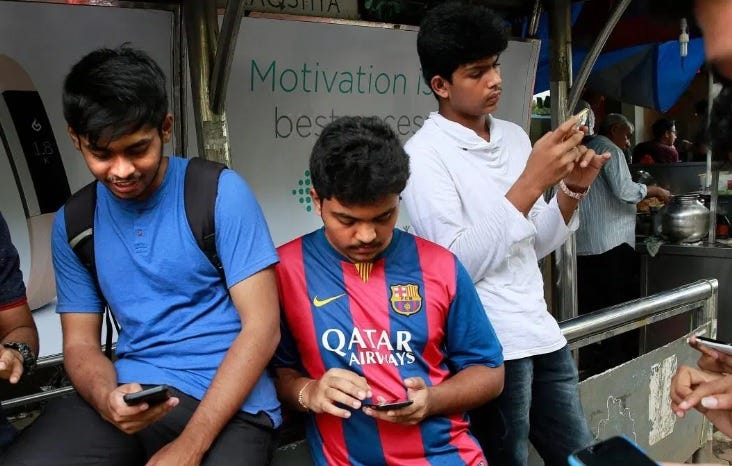

Indias Mobile Gaming market is entering a fierce new battle for player attention and wallets, as 2026 sees both unprecedented revenue growth and a looming retention crisis.
Why the Surge Is Unstoppable
According to Niko Partners, the Indian gaming sector broke the $1 billion barrier in 2025 and is projected to climb to $1.2 billion this year, reaching $1.77 billion by 2030. The State of Indian Gaming 2026 report on r/Indiangamers puts the total market value at roughly $5 billion, with mobile titles accounting for nearly 90 % of all playtime. That share mirrors the global trend: mobile gaming now represents 56.6 % of worldwide game revenue, which is forecast to hit $121.1 billion in 2026.
These figures translate into a player base of 3.1 billion mobile gamers worldwide, and India is one of the fastest‑growing contributors. The rapid rise is driven by affordable smartphones, expanding 4G/5G coverage, and a young demographic hungry for social, competitive, and hyper‑casual experiences.
Retention: The New Frontline
While acquisition costs are soaring, 80 % of mobile developers now admit to a “growing player retention crisis,” per a June 16, 2026 Outlook Respawn article. Studios are scrambling to keep users beyond the first week, a period that traditionally sees a 70 % drop‑off. To combat churn, many are turning to AI‑driven personalization—dynamic difficulty adjustment, tailored in‑game offers, and predictive matchmaking that adapt to each player’s behavior in real time.
These AI tools promise higher lifetime value, but they also raise concerns about data privacy and algorithmic bias. The same report notes that the cost of acquiring a new player in India has risen by more than 30 % over the past two years, making retention not just a metric but a financial imperative.
External Pressures: Betting, TikTok, and Regulation
India’s gaming ecosystem is also feeling the squeeze from competing entertainment platforms. A February 19, 2026 Outlook Respawn piece highlighted how TikTok, short‑form video, and AI chat apps are siphoning casual gamers away from traditional titles. Meanwhile, the rise of prediction‑market platforms like Kalshi and Polymarket, discussed in a February 7, 2026 article, signals a blurring line between gaming and regulated gambling.
Regulatory headwinds are intensifying. In August 2025, India’s parliament enacted a sweeping ban on online gambling, threatening up to five years imprisonment for violators. Although the ban targets casino‑style betting, its ambiguous language has caused many mobile game publishers to reevaluate loot‑box mechanics and “skill‑based” wagering features.
What This Means for Players
For the average Indian gamer, the battle translates into more localized content, deeper personalization, and a sharper focus on community features. Expect to see more Indian mythology‑themed RPGs, region‑specific esports leagues, and in‑game events that sync with local festivals.
However, the push for AI‑enhanced experiences may also lead to more aggressive monetization. Dynamic pricing models could adjust in‑game store prices based on a player’s spending habits, potentially widening the gap between casual spenders and “whales.” Players will need to stay vigilant about how their data is used to shape offers.
Industry Outlook
Looking ahead, the market’s trajectory remains upward. The India Gaming Market Size, Share | Report Forecast 2035 predicts a modest rise to $5.37 billion in 2026 and a surge to $17.83 billion by 2035. If developers can solve the retention puzzle, the sector could outpace global averages, cementing India as the world’s premier mobile gaming hub.
Key strategies will include:
- Investing in AI‑driven personalization to extend player lifecycles.
- Building robust community ecosystems to counteract TikTok‑driven disengagement.
- Navigating regulatory uncertainty by designing compliant monetization models.
FAQ
What is the current revenue outlook for Indias Mobile Gaming sector?
Revenue crossed $1 billion in 2025, is expected to reach $1.2 billion in 2026, and could hit $1.77 billion by 2030, according to Niko Partners.
Why are developers struggling with player retention?
Acquisition costs have risen over 30 % while 80 % of mobile developers report a retention crisis. The industry is responding with AI‑driven personalization to keep users engaged beyond the critical first week.
How might new gambling regulations affect mobile games?
The 2025 parliamentary ban on online gambling forces publishers to reassess loot‑boxes and skill‑based betting features, pushing them toward more transparent, skill‑oriented monetization.