Lackluster Combat and Localization Issues Hinder This Tactical RPG
Front Mission 2: Remake falls short of expectations in the realm of giant robot battles, leaving players with a sense of dullness. Despite some improvements over its predecessor, Front Mission 1st: Remake, the combat system doesn’t provide the excitement one would hope for in a tactical RPG. While fans of strategic gameplay might find value in exploring this 1997 PlayStation title by G-Craft, which was never officially released outside of Japan, it’s unlikely to offer much appeal to a broader audience.
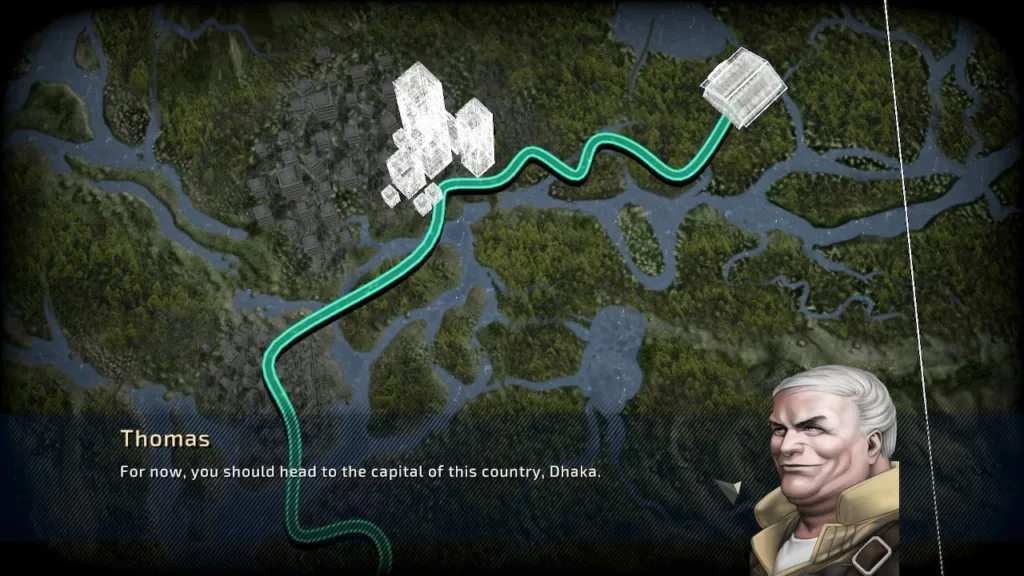
The game’s story shows a marked improvement over its predecessor, offering a narrative centered around a group of soldiers trying to escape the nation of Alordesh during a coup. Combat primarily unfolds in Wanzers, customizable mechs of varying effectiveness, adding an interesting dimension to the gameplay. Although the characters often feel like clichéd action film tropes, the story delves into themes of colonization and industrialization, making an admirable attempt at depth. However, it suffers from noticeable typos and grammatical issues in the English translation, leaving players feeling that the game’s localization was rushed and of poor quality.

Another issue arises from the failure to update text in the game’s background information, which was already in English in the original Japanese release. This oversight results in a multitude of syntax errors and mistakes, detracting from the overall gaming experience. Forever Entertainment has even acknowledged these issues and plans to patch the localization in future updates.
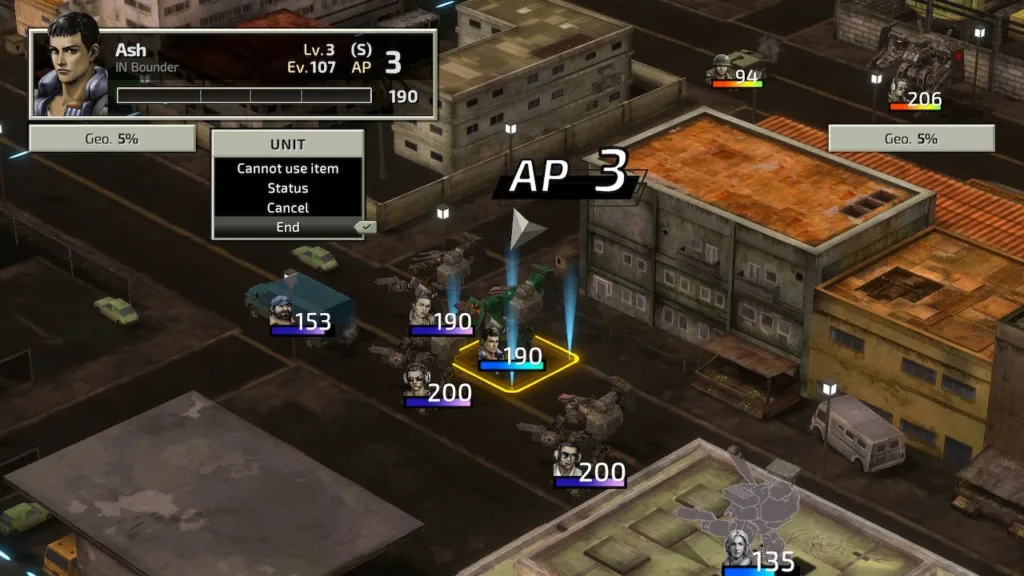
Front Mission 2: Remake, like most tactical RPGs, employs a grid-based map for battles. Players control groups of Wanzer units, guiding them around the battlefield. While the game displays improved graphics, particularly during battle sequences, it fails to address a significant problem that plagued the original Front Mission: Remake and persists in its sequel.

Each Wanzer unit features several health bars that correspond to different parts of the frame. Targeting these bars can slow down a unit, disarm it, or lead to its destruction. The issue arises when players have no control over which health bar they target during an attack. The randomness negates the strategic element of targeting specific areas to slow, disarm, or eliminate enemies strategically. As a result, players find themselves subject to chance, diminishing the sense of control and enjoyment expected in this genre. The addition of character skills mitigates this problem somewhat in later stages but doesn’t resolve the sluggishness of early missions.
Awkward controls for selecting grid squares for Wanzer movements, combined with frustrating allied AI behavior, further dampen the gameplay experience. Front Mission 2: Remake disappoints in realizing its potential, delivering a sense of chore instead of exciting mech-centered tactical RPG.
The game’s standout feature is its deep customization options for each Wanzer unit. Players can tweak and fine-tune their setups, adding an element of fun for those who enjoy customization. The sequel lives up to expectations in terms of customization, a strength carried over from the original Front Mission: Remake.
Graphically, Front Mission 2: Remake showcases significant improvements compared to the original Front Mission: Remake, boasting impressive landscapes and environments. However, frequent loading screens, sometimes even within menus, can be frustrating, although the quick load times help mitigate this issue. Although the loading times are shorter than in the original Front Mission 2, they still occur frequently.

Front Mission 2: Remake leaves a sense of unfulfilled potential. While it offers certain redeeming features, such as the depth of Wanzer customization and improved graphics. Its combat system’s reliance on random chance and the presence of localization issues make it a challenging game to enjoy. It may find favor among die-hard fans of the series but falls short of capturing a wider audience.