Reflecting on the impact of Fallout 3, a game that reshaped Bethesda’s approach to game development, and its role in the creation of Starfield.

Released in 2008, Fallout 3 marked a significant departure from Bethesda’s previous works, and its legacy can be traced through the years to the highly anticipated Starfield. This post-apocalyptic, first-person RPG altered Bethesda’s gaming identity and laid the groundwork for the company’s future endeavors.
Before Fallout 3, the Fallout franchise was under the wing of Interplay Entertainment. The first two games in the series followed a traditional CRPG format with a top-down perspective and turn-based combat. In 2007, Interplay sold the franchise rights to Bethesda, ushering in a new era. Bethesda introduced Fallout 3 in 2008, a game that revolutionized the series by transitioning from turn-based mechanics to real-time action-adventure RPG gameplay, sharing similarities with Bethesda’s flagship series, The Elder Scrolls. While Fallout 3 retained the thematic darkness of its predecessors, it significantly reimagined various core elements of the series.
Evolution of Fallout 3
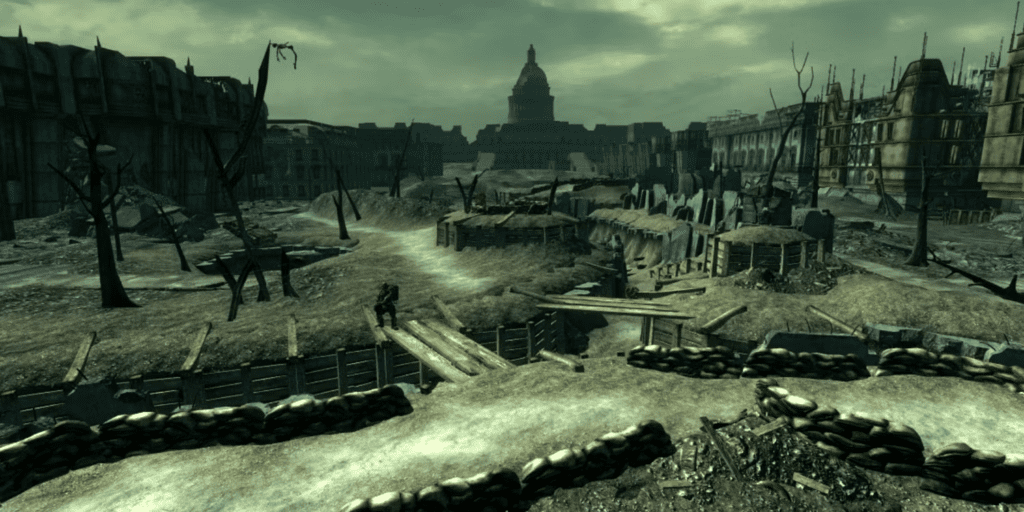
Although the first two Fallout games were influential and contributed to Interplay’s success, their popularity couldn’t match the impact of Fallout 3. By the time it was released in 2008, gaming was transitioning into mainstream culture, with first-person and third-person shooters dominating the industry. Fallout 3 moved the series further away from its tactical, turn-based CRPG roots and closer to the realm of shooter games, all while maintaining a distinctive identity.
Fallout 3 chronicles the journey of The Lone Wanderer, a player-created character escaping Vault 101 to find their exiled father. This adventure unfolds in the Capital Wasteland, a post-nuclear Washington, D.C., a departure from the original games’ California setting. The change in setting not only offered fresh visuals but also detached the narrative from previous titles.
The Lone Wanderer, while not regarded as the most iconic Fallout protagonist, embarked on a personal and linear journey integral to Fallout 3’s narrative. This approach resonated with many players, focusing on the relationship between the character and their father. The story expanded into a heroic mission to provide clean drinking water to the citizens of the Capital Wasteland. The departure from traditional “blank slate” RPG foundations led to a gripping and engaging personal narrative, shaping Bethesda’s future game development approach.
Influence on Bethesda
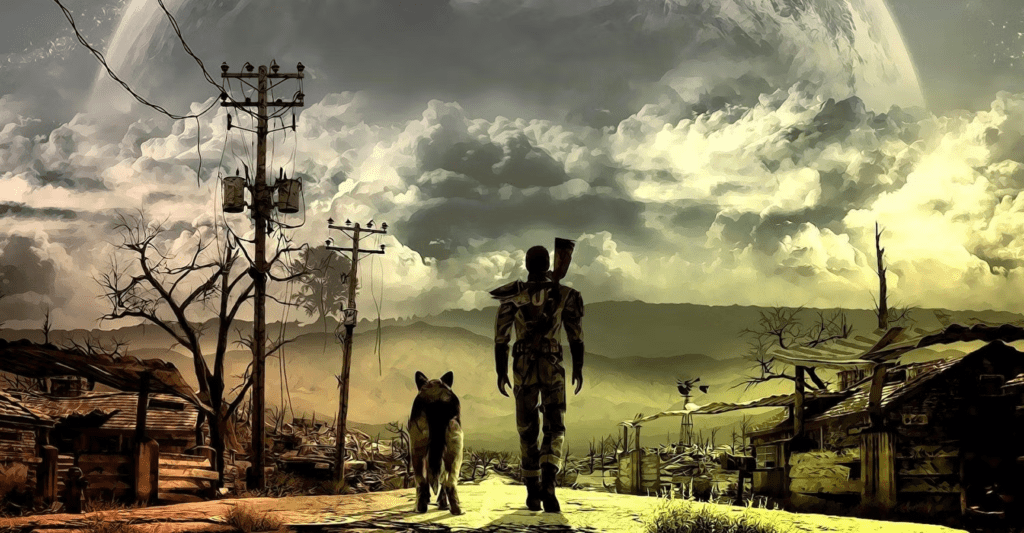
Following Fallout 3, Bethesda released Skyrim, a beloved entry in The Elder Scrolls series. Bethesda revisited the Fallout franchise with Fallout 4 in 2015, reinforcing many elements introduced in Fallout 3. This led to a somewhat divisive game, criticized by some Fallout fans for drifting further from RPG roots. Fallout 4 focused more on first-person action-adventure elements while diminishing character-building and decision-making aspects.
In 2021, Bethesda launched Starfield, one of the most eagerly awaited titles. The parallels between Fallout and Starfield are evident to those familiar with the former. Both games exhibit Bethesda’s hallmark charm and style, evident in The Elder Scrolls series as well. However, Fallout and Starfield share more similarities due to their science-fiction backdrop, firearms focus, and limited fantasy elements. They also share a mature tone, setting them apart from the whimsical, fantastical nature of The Elder Scrolls.
Fallout 3 was the catalyst for Starfield’s development. It allowed Bethesda to explore darker themes and science fiction, branching out from the high-fantasy world of The Elder Scrolls. Had Fallout 3 not broken away from fantasy, Bethesda might have remained in its traditional genre. The game marked Bethesda Game Studios’ foray into speculative science fiction, earning players’ trust for Starfield ahead of its release.
Fallout 3 indelibly impacted Bethesda’s game portfolio and identity. The game empowered the developer to explore the realm of speculative science fiction and mature themes, shaping its future endeavors. While Fallout 3 garnered praise, it also fueled debates about the shift away from RPG fundamentals, a debate that Starfield continues to reflect.
Today, Fallout 3 remains available on PS3, Xbox 360, and PC, serving as a testament to its enduring legacy.