


“Marvel’s Spider-Man 2 Highlights the Annoying Trope of Forced Walking in Video Games” The practice of slowing players down to engage in scripted walking sequences is a prevalent trope in many video games, and Marvel’s Spider-Man 2 is no exception. Throughout the game, players find themselves compelled to walk at a painstakingly slow pace through various locales. While this mechanic serves various purposes such as delivering story exposition, introducing gameplay mechanics, or hiding loading screens, it can often disrupt the flow of the game and feel tedious, particularly on repeat playthroughs.
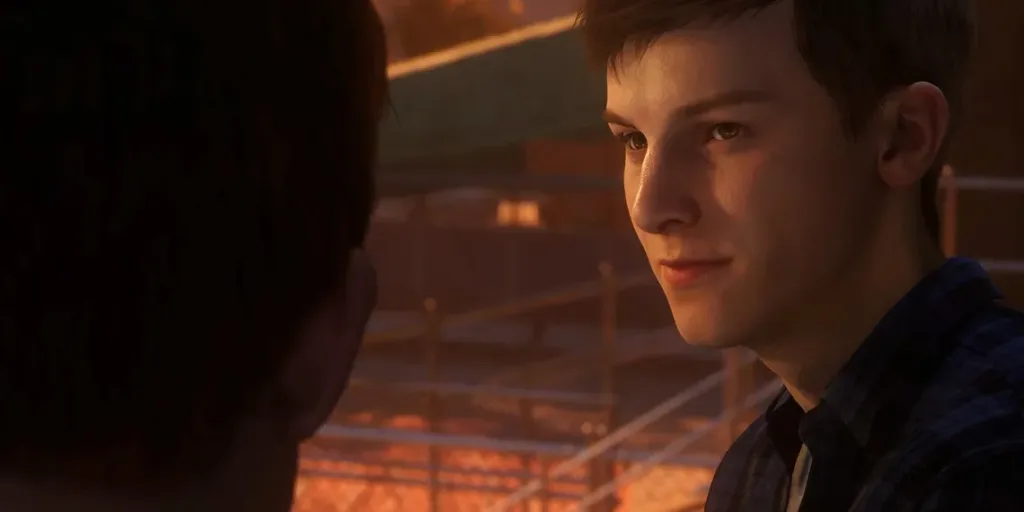
When transitioning from the high-speed action of Spider-Man to playing as Peter Parker or Miles Morales, the pace drops significantly. The walking sequences may be tolerable in small doses, but in large, open areas like the Emily-May Foundation, players might yearn for the excitement of crime-fighting. This isn’t unique to Marvel’s Spider-Man 2; other games like Grand Theft Auto 5, Red Dead Redemption 2, Final Fantasy 7 Remake, God of War, and The Last of Us have employed similar forced walking segments.
While eliminating this trope may seem like an easy fix, developers must ensure that NPCs match the players’ walking speed to prevent players from outpacing crucial story elements. Balancing the desire for a more streamlined gaming experience with the need to convey narrative and atmosphere in these sequences is a challenge that game developers must carefully address in the future.
“Annoying Trope of Forced Walking in Video Games: Marvel’s Spider-Man 2’s Contribution” Forced walking segments in video games, like those seen in Marvel’s Spider-Man 2, have become a somewhat frustrating trope in the industry. These moments often slow down the gameplay to convey story details, introduce mechanics, mask loading screens, or serve as a stylistic choice. While they may serve a purpose, they can disrupt the overall gaming experience and create a sense of tedium, particularly on repeated playthroughs.
Marvel’s Spider-Man 2 includes several instances where players are required to move at an agonizingly slow pace, especially when controlling Peter Parker or Miles Morales. These walking sequences, while not exclusive to this game, are reminiscent of similar segments in titles like Grand Theft Auto 5, Red Dead Redemption 2, Final Fantasy 7 Remake, God of War, and The Last of Us.
While it may seem simple to eliminate this trope, developers must balance player experience with the need for storytelling and atmosphere. Adjusting NPC walking speeds is essential to maintain narrative cohesion. Addressing this trope is a challenge that the gaming industry must navigate to enhance the overall experience for players.
“Video Game Trope: The Slowdown of Forced Walking – A Closer Look with Marvel’s Spider-Man 2” Forced walking segments have become a common trope in video games, including Marvel’s Spider-Man 2. These sequences slow down the gameplay to facilitate storytelling, introduce mechanics, or maintain a particular style. While they serve specific purposes, they can introduce a sense of tedium, particularly on repeat playthroughs.
Marvel’s Spider-Man 2 features numerous forced walking moments, especially when players control Peter Parker or Miles Morales. Similar segments can be found in games like Grand Theft Auto 5, Red Dead Redemption 2, Final Fantasy 7 Remake, God of War, and The Last of Us.
While it might appear straightforward to remove this trope, developers must ensure NPCs match the player’s walking speed to preserve the narrative’s pacing and engagement. Balancing the desire for a more streamlined gaming experience with storytelling is a challenge the industry needs to address.


1 Comment
This is so many words saying nothing at all. You need to find something else to do