Apartments offer a solution to housing challenges in Cities Skylines 2, but players should understand their nuances for effective management.
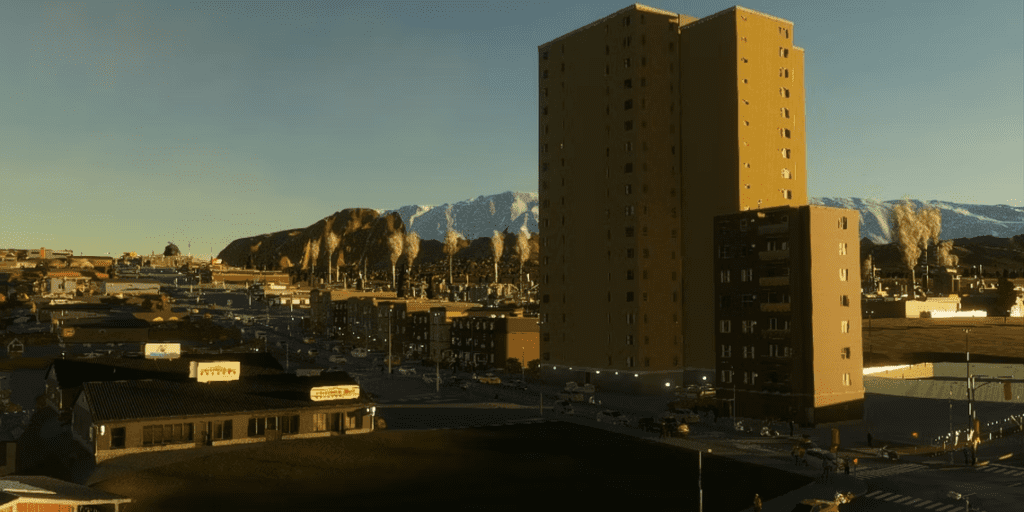
As cities expand in Cities: Skylines 2, the evolving needs of their virtual inhabitants must be taken into account. Housing afford ability is a daily concern for the residents, and city builders are tasked with ensuring that everyone can afford a place to call home. Establishing low-rent housing districts is a common approach to keep citizens content, but it can be perplexing for those new to Cities: Skylines 2. This guide provides insights into how to maintain affordable housing and offers alternative strategies for averting future housing issues.
Solving Low Rent Housing Demands in Cities: Skylines 2
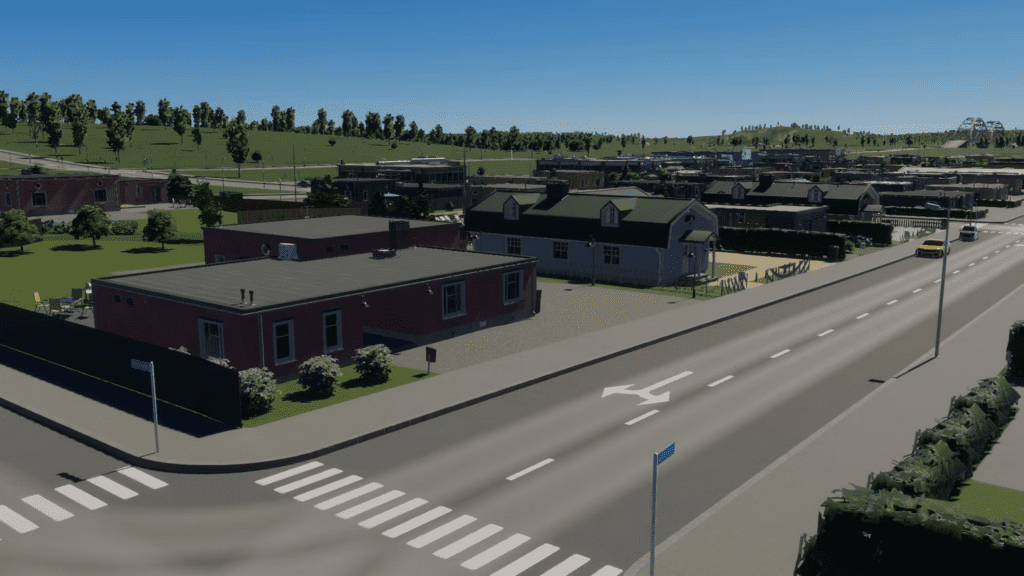
First and foremost, it’s crucial to recognize that low rent housing zones, typically comprising apartment buildings, do not address high rent issues. The demand for apartments is indicated by a distinct demand gauge. Therefore, if low-density housing areas are grappling with high rent concerns, players should focus on adjusting the land value within these neighborhoods.
Low-rent housing, represented by apartment buildings, is established much like regular housing. Players can create zones where these buildings can be constructed. Place these zones in neighborhoods with limited educational and job opportunities to accommodate residents with lower incomes effectively.
City builders may encounter a situation where residents are vacating low rent housing complexes despite a visible demand for them. This issue can result from various factors, such as fluctuating industry or office demands, or potentially a minor glitch. This problem tends to dissipate as city districts become wealthier, eventually justifying the need for apartment buildings.
For optimal placement, low rent housing zones should be located in dense, high value areas like downtown business districts or neighborhoods equipped with amenities such as parks and hospitals. However, these zones should only be established when there is a genuine demand for them. Citizens, regardless of the city’s prosperity, may prefer low and medium-density housing, requiring careful planning to meet these needs.
When designating areas for low rent housing, proximity to workplaces like commercial, office, and industrial zones is crucial. Additionally, implementing public transport hubs can alleviate traffic congestion near high-density residential zones.