World of Warcraft’s Dragonflight expansion brought significant updates, particularly the introduction of public events, transforming the game’s dynamics. The new feature, explained by designers Laura Spreitzer and Maria Hamilton, aimed to provide ongoing activities for players. However, these events have had mixed success and posed challenges to developers, especially when it comes to balancing player engagement across numerous events.
Dragonflight introduced various public events like Tuskarr Feasts, Siege of Dragonbane Keep, and many others, extending a wide range of world quests and challenges. These events ensured consistent and diverse content, offering incentives for daily participation. Yet, the multitude of activities may dilute player engagement in older events as newer ones emerge, potentially hindering completion due to dwindling participation.
Laura Spreitzer acknowledged the community’s feedback about the difficulty of some events in smaller groups or less populated servers. She noted the iterative nature of the game development process, emphasizing the ongoing efforts to improve these public events.

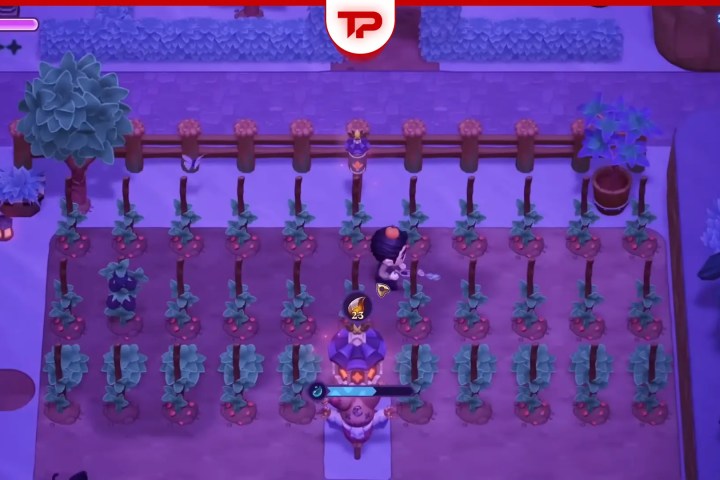
The new Superbloom event in Patch 10.2 showcases an adaptable approach based on the number of participating players. It offers soloable content and innovative mechanics to suit various group sizes. Additionally, the Emerald Bounty micro-events, such as the Dreamseed planting, allow more flexibility and diverse engagement, aiming to provide rewards for collaborative contributions.
While these events mark progress in designing scalable and varied activities, World of Warcraft remains committed to refining endgame experiences, demonstrating an ongoing commitment to enhancing player engagement and balancing diverse gameplay elements.