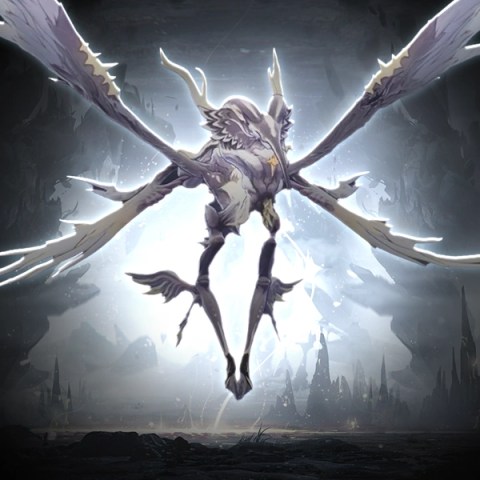
Valve and Blizzard’s recent releases, Counter-Strike 2 and Overwatch 2, respectively, have sparked concern as they adopt a trend of large-scale updates posing as sequels. Rather than enhancing the originals, these “sequels” replace their predecessors, preventing players from revisiting the original games. Overwatch 2, initially met with excitement, faced controversy for its prolonged development, microtransaction model, and a shift in PvE content that disappointed fans. The sequel’s complete takeover of the original left no option for players wanting to continue with the original Overwatch experience. Counter-Strike 2 followed a similar path, introducing updates within Counter-Strike: Global Offensive, limiting players’ access to the original game.
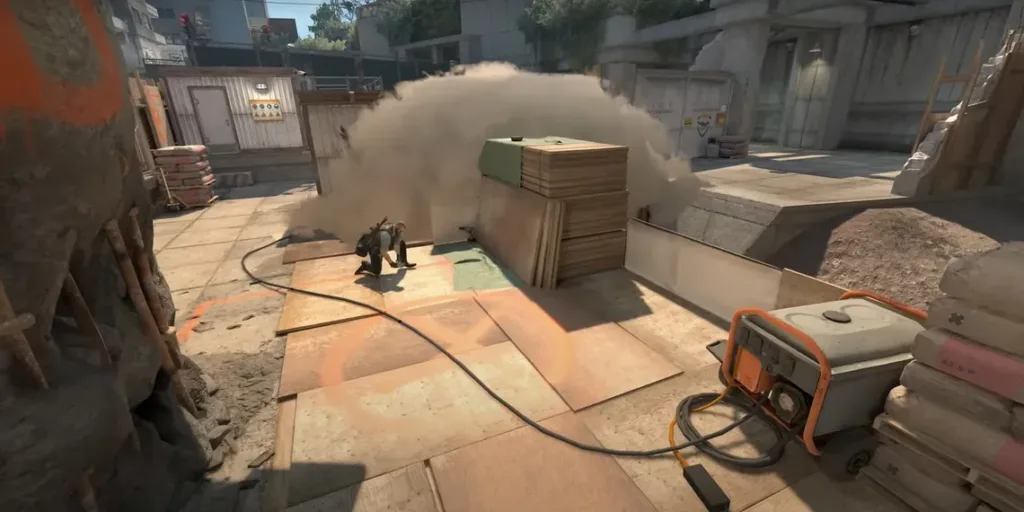
Sequels traditionally elevate core concepts to new heights without replacing the original. However, this emerging trend of sequels as updates risks undermining the essence of a sequel, instead feeling like rebranded rereleases. If successful, this approach could influence other studios to adopt similar strategies, potentially erasing older games from the market. Fans hope this trend ends, allowing sequels to coexist with their predecessors and build on the legacy of a franchise rather than overshadowing it.