In the year 2023, Manga and Anime differences have emerged as two of the most celebrated forms of artistic expression globally.
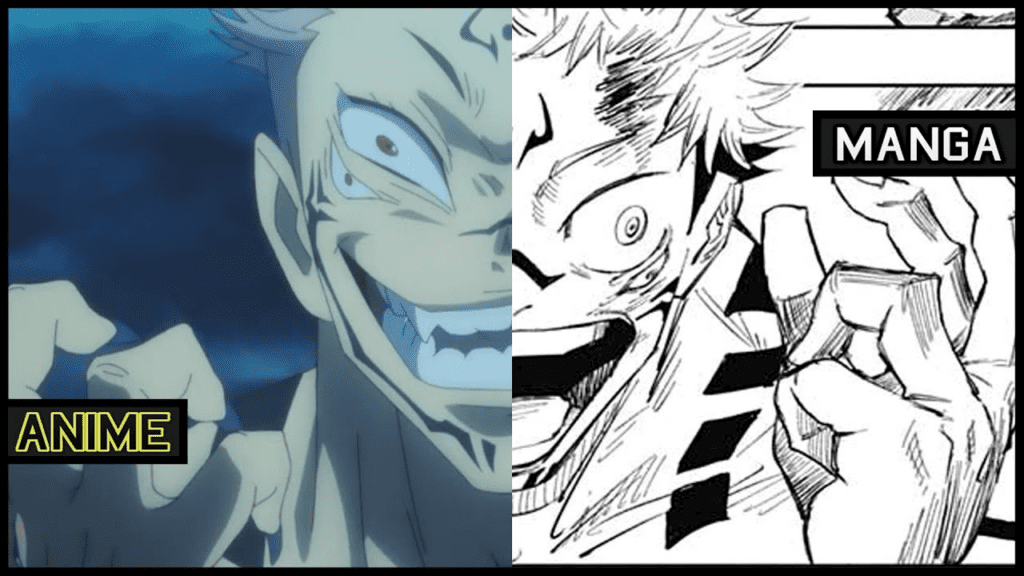
As the realm of comic art gains widespread recognition, these Japanese art forms have transcended borders, reaching new linguistic audiences and establishing their presence in novel markets. But what sets these two captivating art forms apart? Today, we embark on a journey to uncover the key distinctions that delineate Anime from Manga.
It may come as a surprise that both Manga and Anime distinctions have sparked the creativity of game developers in crafting intricate narratives for no deposit slot games, weaving captivating storylines that captivate audiences worldwide.
What Constitutes Manga?
Manga art form explained, often hailed as the quintessence of artistic expression, possesses a nuanced essence. Originating in Japan during the late 1800s, Manga stands as a distinctive form of illustrated art. This captivating art form predominantly finds its home within the pages of graphic novels, books, and occasionally strip comics or digital platforms.
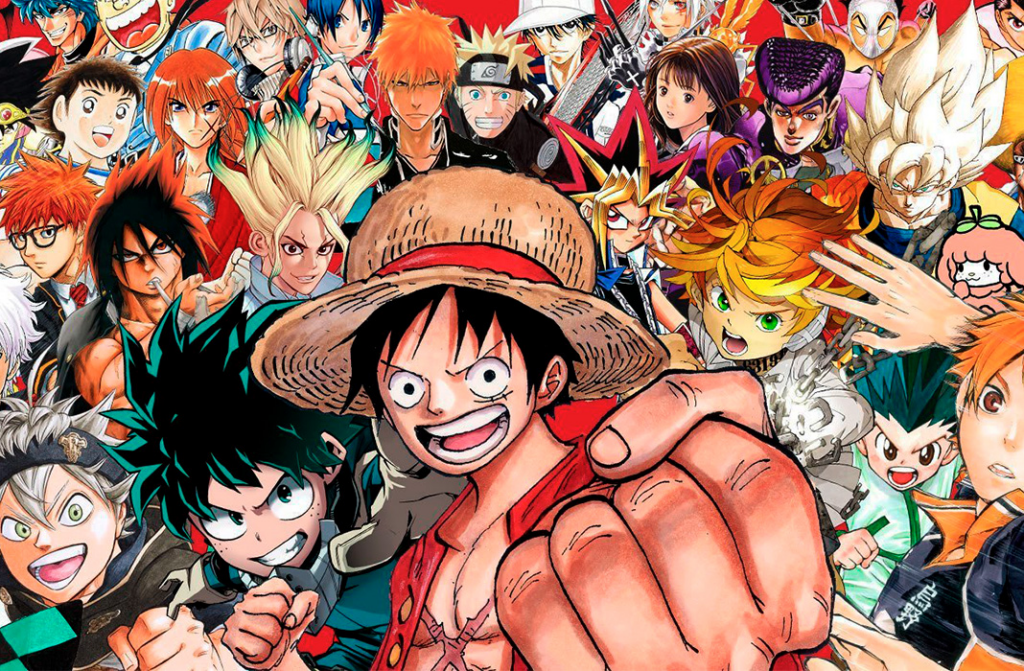
Distinguished by its monochromatic palette, Manga predominantly relies on black and white illustrations. The expedited production of Manga novels necessitates a focus on line art, foregoing the intricacies of color and shading. Many Manga series span extensive lengths, engaging devoted fans over years of following. In Japan, almost everyone reads Manga. You’ll find people of all ages engrossed in their Manga books on the train, during work or school breaks, and in bed at home.
The modern incarnation of Manga as we know it today blossomed in the 1950s, although its roots extend even further back. The diversity within Manga stories caters to varied tastes, encompassing action and adventure, science fiction sagas, student life tales, and more, even venturing into the realm of explicit content.
Manga’s appeal has traversed the borders of Japan and extended its influence throughout Asia and around the globe.
The Essence of Anime
Contrary to common misconception, Anime and Manga are not interchangeable; they constitute distinct art forms. They are not solely differentiated by the narratives they convey. Anime represents the animated adaptation of Manga-style comics—a dynamic and visually captivating art form. Originating in Japan, Anime can be rendered through traditional hand-drawn techniques or, more commonly in contemporary times, digitally produced, akin to Western-style animations.
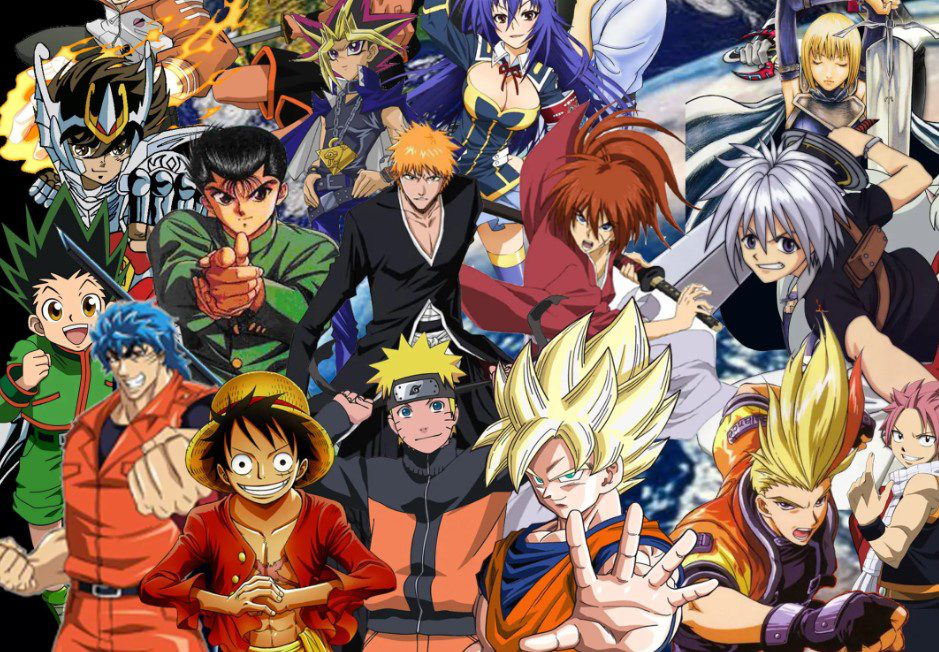
Anime’s global popularity has been on the rise, thanks to streaming platforms such as Netflix buying up Anime content and providing translations in languages including English. This accessibility, coupled with the affordability of purchasing Anime titles, has prompted platforms to invest in Anime content.
Western adult animated series, while present, do not match the prolific output of Anime, leading audiences to explore and immerse themselves in Anime content, further fueling its global appeal.
Could Manga ascend in popularity in tandem with the burgeoning Anime industry? The prospect appears unlikely. In the UK, for instance, the average commuter on a train is more likely to be scrolling through social media than engrossed in a book. Unless Manga can secure a significant presence on widely used apps in such countries, its prospects of gaining a strong foothold remain uncertain.
Conversely, Anime’s global expansion appears poised to continue. As fresh talents venture into the world of Anime, the genre is set to diversify and flourish. This promises an exhilarating future as emerging artists rise to prominence, new series capture global audiences, and powerhouse studios craft extraordinary content for both existing and newfound admirers.