After years of experimentation, the Resident Evil franchise may have discovered its ideal blend of modern survival horror elements.
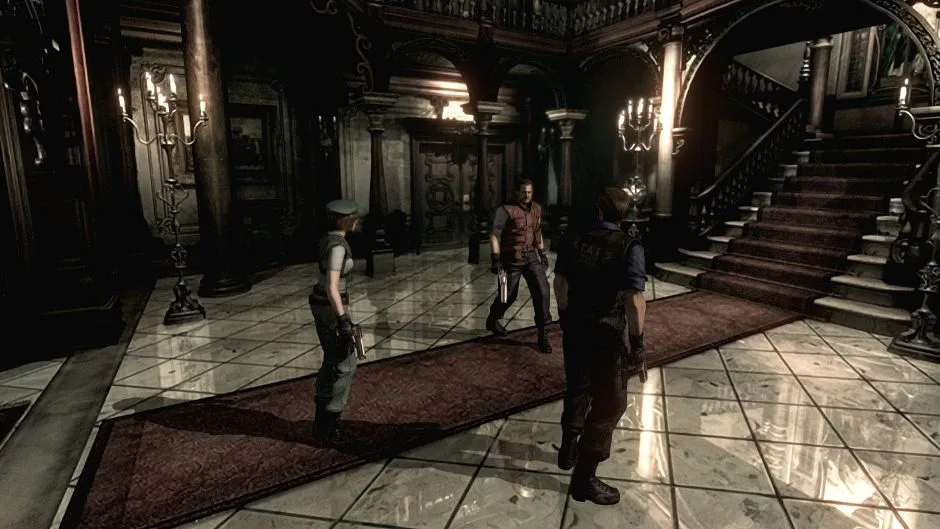
Since its inception in 1996, Resident Evil has left an indelible mark on the gaming world. Capcom’s original PlayStation horror masterpiece, crafted by Shinji Mikami and Tokuro Fujiwara, introduced the concept of “survival horror,” birthing a genre that continues to thrive. Over the years, the franchise underwent a series of transformations and experiments. While not every iteration appealed to every fan, recent releases suggest that Resident Evil has now struck a harmonious balance in modern survival horror.
Throughout its history, Resident Evil has ventured into various genres, gameplay styles, design approaches, and presentations, all in an effort to stay fresh and align with evolving fan preferences. It explored light gun games, squad-based shooters, tactical shooters, asymmetric multiplayer horror experiences, and more. In its 27-year journey, Resident Evil consistently reinvented itself, generating fresh content. Yet, the fan base remained divided between enthusiasts of the original style games and those who favored the post-Resident Evil 4 (RE4) era.
The Latest Evolution of Survival Horror in Resident Evil
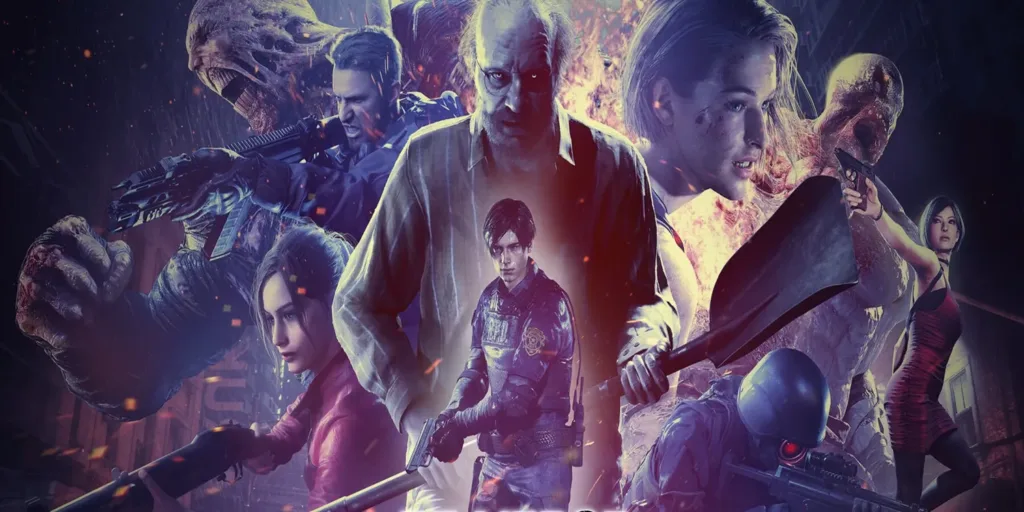
The Resident Evil series experienced a significant schism in its fan base upon the release of Resident Evil 4 in 2005. Shinji Mikami returned to the franchise and redefined it during a time when its future was uncertain. RE4 laid the foundation for modern third-person shooters and received widespread acclaim. Subsequent entries, RE5 and RE6, increasingly emphasized action gameplay, but the tide of fan interest shifted once more.
The lowest point for the series arrived with Resident Evil 6 in 2012, as it left both longtime fans and newcomers dissatisfied. Critics lamented the franchise’s loss of its horror edge. Capcom heeded these concerns and launched Resident Evil 7, a soft reboot that reinstated the series as a serious survival horror contender. RE7 rejuvenated Resident Evil, setting the stage for the next release that would achieve what no other entry had before.

In 2019, Resident Evil 2 Remake arrived, earning critical acclaim and commercial success. By blending elements from the original games, the post-RE4 era, and fresh innovations, it succeeded in uniting the divided fan base and rekindling interest in the series. Resident Evil 2 Remake marked a triumphant return to survival horror and introduced the genre to a new generation of gamers, resonating with fans of all backgrounds. This success paved the way for Resident Evil 3 Remake, Resident Evil Village, and the recently announced Resident Evil 4 Remake.
With Resident Evil 4 Remake, the franchise has seemingly found the sweet spot—harmoniously combining horror elements, action gameplay, cinematic storytelling, and compelling characters. Capcom has captured everything fans cherish about the series, while still pushing the envelope for modern audiences. Resident Evil is currently enjoying a resurgence in popularity, and its future is promising, offering exciting prospects for both newcomers and long-time devotees.